We build the AI-native systems that change how climate, water, and nature work gets done — at the decision layer, where capital meets outcomes, and at the operational layer, where the people doing the work get their time back.
The mission-driven world is being held back by infrastructure that was never built for the era we're in. capyr.AI brings serious AI and platform engineering to bear on that problem — at both ends of where it bites hardest.
Trillions of dollars need to move toward verified climate, water, and nature outcomes in the next decade. Today, those decisions happen with thin data, slow analysis, and tools built for a different century.
We build the AI-native decision systems that connect projects to capital, surface what's actually working, and let the field allocate effort where it matters most. capyr.AI is setting the standard for how this gets done.
The people fixing watersheds, certifying carbon, scaling restoration, building outcomes-based finance — they're spending half their time on grants management, funder reporting, permitting paperwork, and federal compliance. None of that work made the world better.
We eliminate or automate the non-value-added layer so humans return to what humans are uniquely good at: working with communities, with land, with the actual work.
Same conviction underneath: redirect human and capital effort toward what changes the world.
At the top of the system, multi-billion-dollar decisions about where capital flows are being made with spreadsheets, gut, and outdated data. The infrastructure to embed AI into how those decisions get made — rigorously, auditably, at sector scale — does not yet exist. Someone is going to build it. We intend to be that someone, and we intend it to be built right.
At the operational layer, the people doing the work that drew them to this field are being quietly replaced by reformatters, copy-pasters, and report-builders. Not because anyone wanted that — because the systems beneath them were never built to do otherwise. The cost is paid in conservation that doesn't happen, in watersheds that don't get restored, in farmers who don't get reached.
We exist to close both gaps. The same belief drives both: the world is not better off when the people who could change it are stuck doing work the world doesn't need.

You're not stuck because the work is wrong. You're stuck because the systems behind the work were never built to scale it — or to make it smarter.
Your methodology is rigorous. Your outcomes are verified. Funders trust you. The problem isn't the program.
It's the four spreadsheets holding it together. The decision-making that happens by feel because the data is too scattered to query. The tools that don't talk. The manual handoffs that work at twenty projects and break at two hundred. The institutional memory that lives in three people's heads and walks out the door when one of them leaves.
That's not a tech problem you solve by hiring a vendor and hoping. It's a systems problem — operational and intelligent — that needs a different kind of partner.
Most engagements start with a fixed scope and a hopeful estimate. We start with a question: is there actually a problem worth solving, and what shape is it? Three stages. Each one earns the next.
Four weeks. Fixed price. We walk the workflow, interview the team, map the data flows, and test our hypotheses against the evidence. We come back with a brief that tells you what's actually broken — and whether software is the right answer.
If discovery confirms there's a real problem, we produce the full plan: architecture, integration approach, AI design, timeline, cost. Scoped against what's actually broken — not what we guessed at the start.
We build the system. Production-grade, audit-ready, designed for the regulated and evidence-driven environments our clients live in. SOC 2, role-based access, full audit trails — designed in, not bolted on.
Discovery may conclude that nothing should be built. That's a feature, not a failure.
The pattern is the same across every client we take: rigorous methodology, verified outcomes, real funder relationships — and a clear sense that the next horizon, whether it's smarter decisions or less admin, requires infrastructure that doesn't exist yet. If that's you, we're built for you.
Conservation, watershed, climate, and ecosystem-restoration organizations whose programs work — and whose growth has stalled because the operational layer was never built to scale, or because the decision-making that drives where to invest next is happening with a fraction of the intelligence it could.
Organizations building the certification, bundling, verification, and capital-deployment infrastructure that connects environmental outcomes to corporate and institutional money. Where audit trails matter, methodology rigor matters, and the next leap forward is AI-native decision systems that don't yet exist.
Consulting and professional services firms working in environmental, sustainability, or impact spaces — bringing AI capability into both their delivery and their thinking, so their teams spend less time on the admin tax and more on the work that actually moves a client forward.
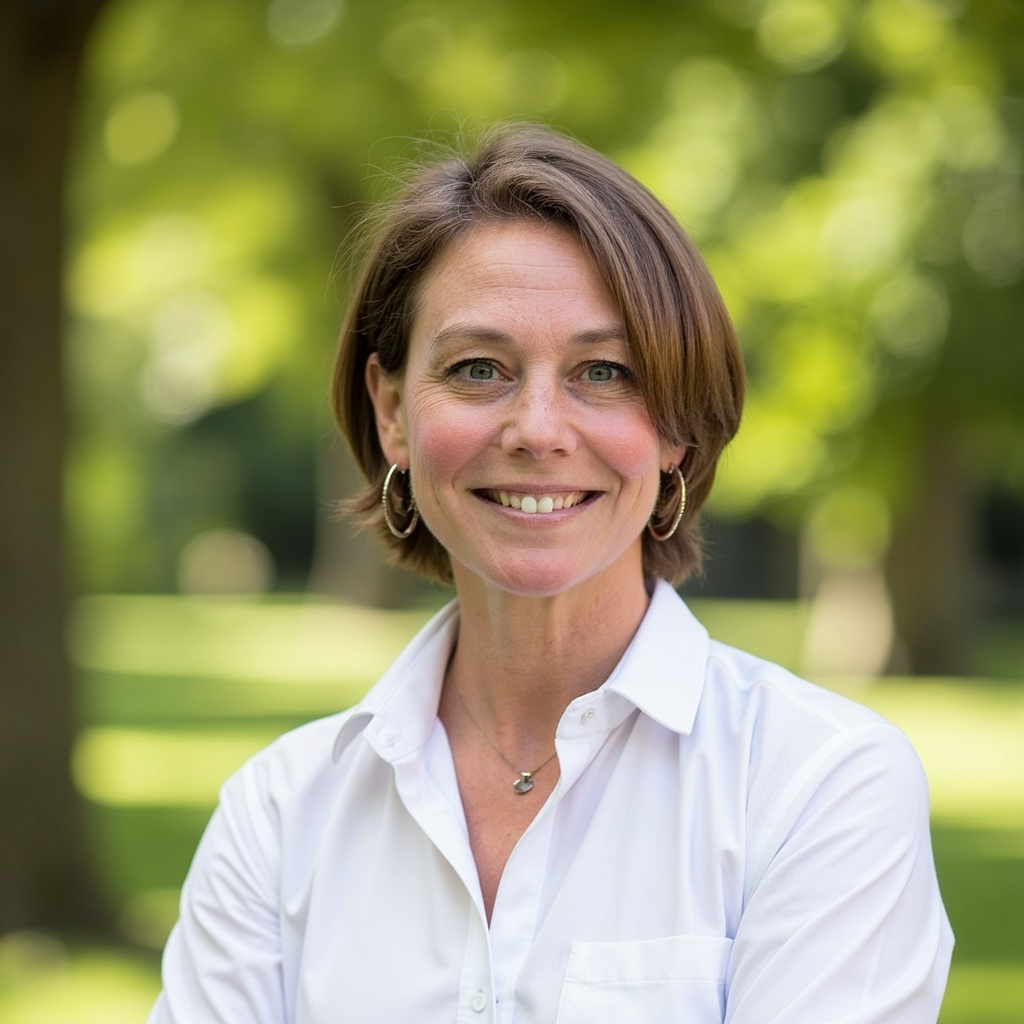
Founder & CEO, capyr.AI
Twenty years inside water, climate, and conservation finance. Founded capyr.AI to build the systems the field needs and doesn't yet have — at the decision layer and at the operational layer alike.
Backed by a small bench of senior tech builders who design and ship the systems alongside her — selected for the engagement. The result is a firm that punches above its size.
Meet the team →The first conversation is short and free. We'll listen, ask questions, and tell you honestly whether we think there's something worth investigating — whether that's a decision system that doesn't yet exist, an operational layer that's holding you back, or both. If we don't think we're the right partner, we'll say that too.